Why Winter Tires Matter More Than You Think in Connecticut
New England winters are notoriously unpredictable, and driving on icy Connecticut roads without the right preparation is a gamble you don't want to take. When the temperature drops below 45 degrees, the rubber compound in standard tires begins to harden, drastically reducing your traction and increasing your stopping distance. Finding the best winter tires isn't just about handling deep snow; it's about ensuring your vehicle maintains a critical grip on freezing, slick pavement.
Whether you are commuting down Route 7 or navigating the hilly backroads of our town, equipping your vehicle properly is your first line of defense against hazardous winter conditions. A quality set of tires is the single most important safety feature on your vehicle, connecting your brakes, steering, and suspension directly to the road.
All-Season vs. Winter Tires: What Every Driver Should Know
Many drivers assume their all-season tires are perfectly fine for year-round driving. While these tires provide adequate performance in mild climates, they are essentially a compromise. The tread patterns on all-season tires are designed to handle a little bit of everything, which means they aren't optimized for extreme cold, slush, or black ice.
True winter tires feature specialized, flexible rubber compounds and thousands of tiny slits called sipes that actively bite into snow and ice. Upgrading to dedicated snow wheels drastically improves your steering, braking, and overall control when the weather turns severe. If you want maximum safety during a classic New Milford blizzard, relying solely on all-season options often leaves your vehicle vulnerable to dangerous sliding.
4 Warning Signs Your Vehicle Isn't Ready for the Snow
Before the first major snowfall hits, it is crucial to evaluate your current set of wheels. Driving on compromised rubber is dangerous and can lead to expensive accidents. Here are the clear signs you need an upgrade:
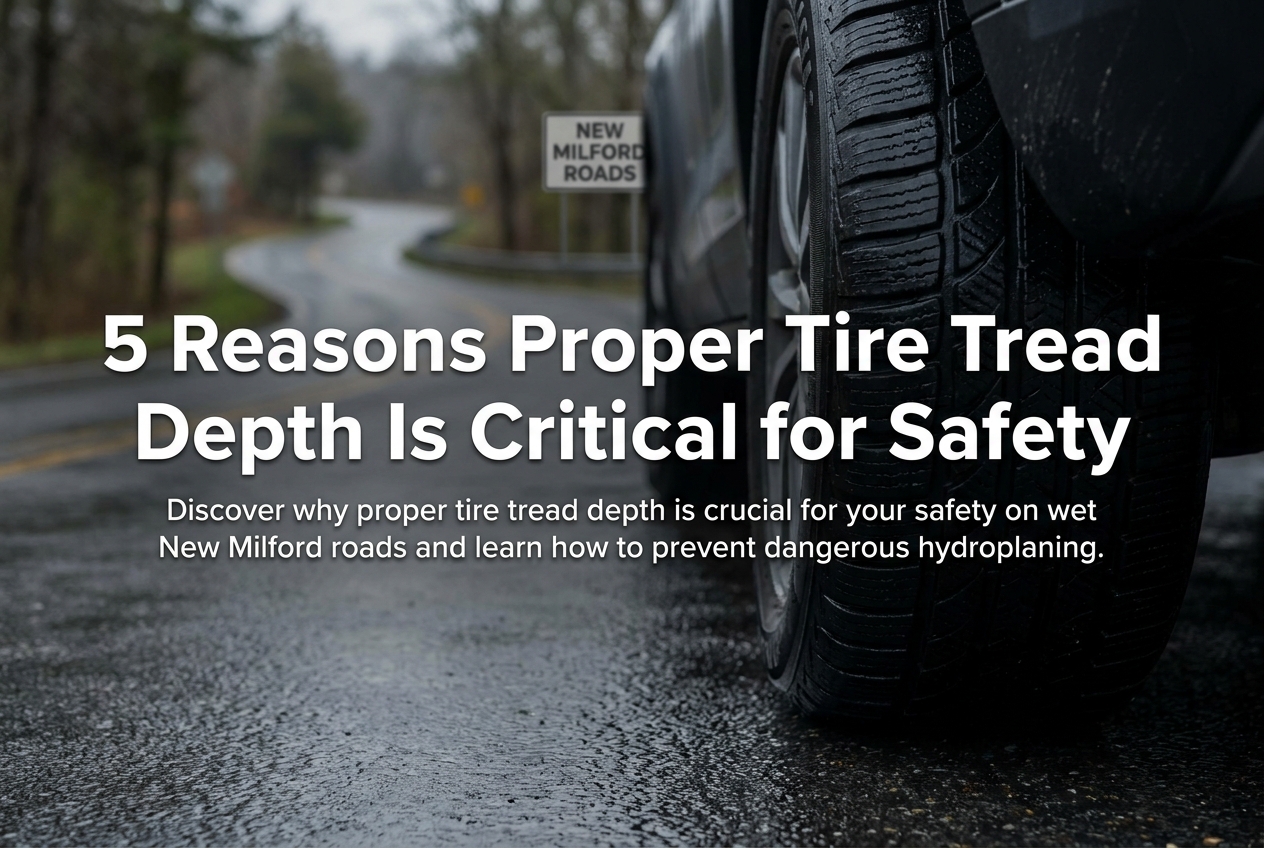
- Low Tread Depth: If your tread depth is below 4/32 of an inch, your vehicle cannot safely evacuate snow and slush. Use the penny test to check your tread depth at home to ensure you have enough grip.
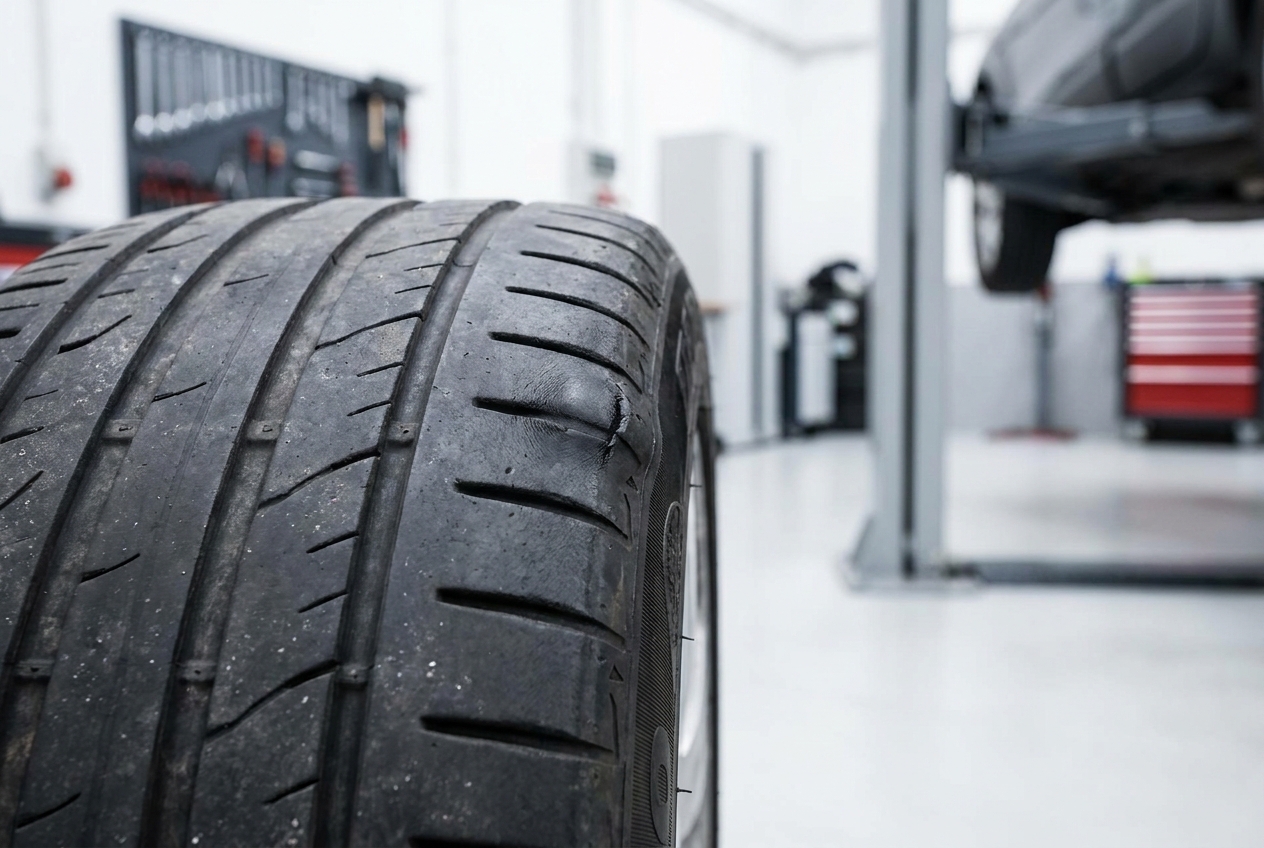
- Visible Cracks or Bulges: Weather checking, dry rot, or sidewall bulges mean the structural integrity is compromised. If you spot these issues, finding a top-rated tire shop near me should be your priority before a cold-weather blowout occurs.
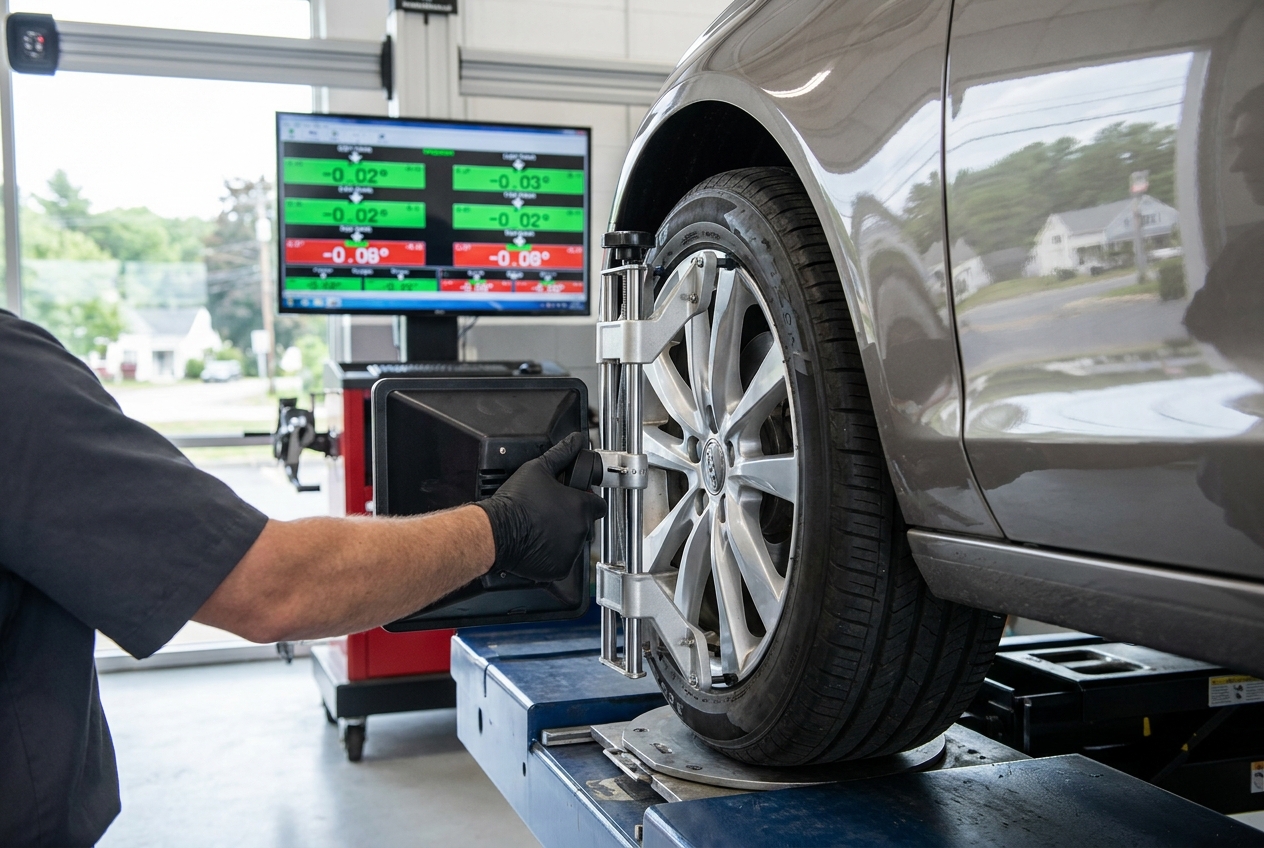
- Uneven Wear Patterns: Tires wearing faster on one side or in the center indicate steering, pressure, or suspension issues. If you notice this, scheduling a tire alignment near me will ensure your new winter set doesn't suffer the same uneven wear.
- Slow Leaks and Pressure Drops: Cold weather naturally decreases pressure, but a persistent slow leak requires immediate attention. Seeking out a professional tire repair near me can help you safely patch minor punctures before you get stranded in the cold.
How to Find the Best Value and Seasonal Offers
Preparing your vehicle for winter doesn't have to drain your wallet. The true cost of ignoring your vehicle's winter readiness is much higher, often leading to sliding off the road or costly collision repairs. Investing in quality rubber is a direct investment in your family's safety and peace of mind.
When looking for tires for sale, timing is everything. Early fall is typically the best time to find manufacturer rebates and exclusive seasonal tire deals before the local rush begins. If you are on a strict budget, searching for reliable used tires near me can also be a highly viable option, provided they are thoroughly inspected for safety and tread life by an experienced tire shop.
Best Practices for Winter Driving in New Milford
Beyond just installing the right tires, local drivers need to adapt their vehicle maintenance routine for the colder months. Our local road treatments, salt, and fluctuating temperatures can be incredibly harsh on your vehicle's undercarriage and wheel assemblies.
- Check your tire pressure weekly, as dropping temperatures cause pressure to decrease, directly impacting your traction and fuel efficiency.
- Rotate your tires every 5,000 to 7,000 miles to promote even wear and extend the overall lifespan of your investment.
- Get a comprehensive suspension check before mounting your winter set to ensure your vehicle handles perfectly on slippery surfaces.
- Keep your wheels clean of packed snow and ice, which can easily throw off your wheel balance and cause dangerous highway vibrations.
Don't wait until the first major snowstorm leaves you stranded or sliding through an intersection. Properly preparing your vehicle takes a little time, but the peace of mind it provides on icy roads is absolutely invaluable.
Need expert advice on preparing your vehicle for the harsh Connecticut winter? The ASE-certified technicians at Plan B Tires are here to help. Stop by our New Milford location today for a free inspection, professional recommendations, and the best deals to keep you and your family safe all season long.